The M2 60mm Mortar, Simple, Reliable, and Still Relevant
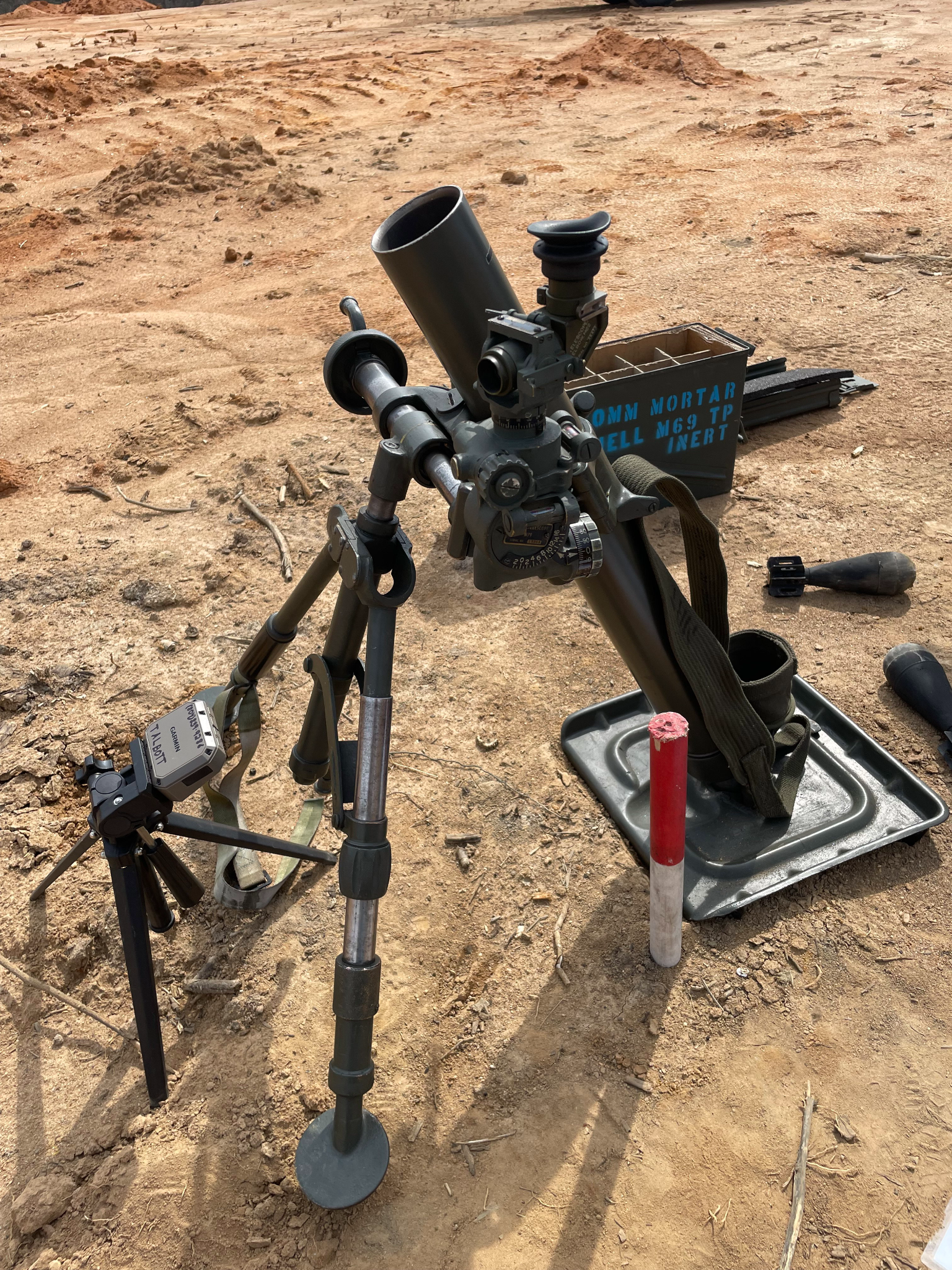
Every once in a while somebody will ask me why we still spend so much time working with the M2 60mm mortar, aren't there better more modern guns out there. The short answer is yes, but there's a reason we stick with the old but still very reliable M2.
Usually, the question comes from somebody looking at modern mortar systems with lightweight materials, advanced optics, digital fire control systems, and all the bells and whistles that didn’t exist when the M2 first showed up. It’s a fair question. The M2 is old. Really old.
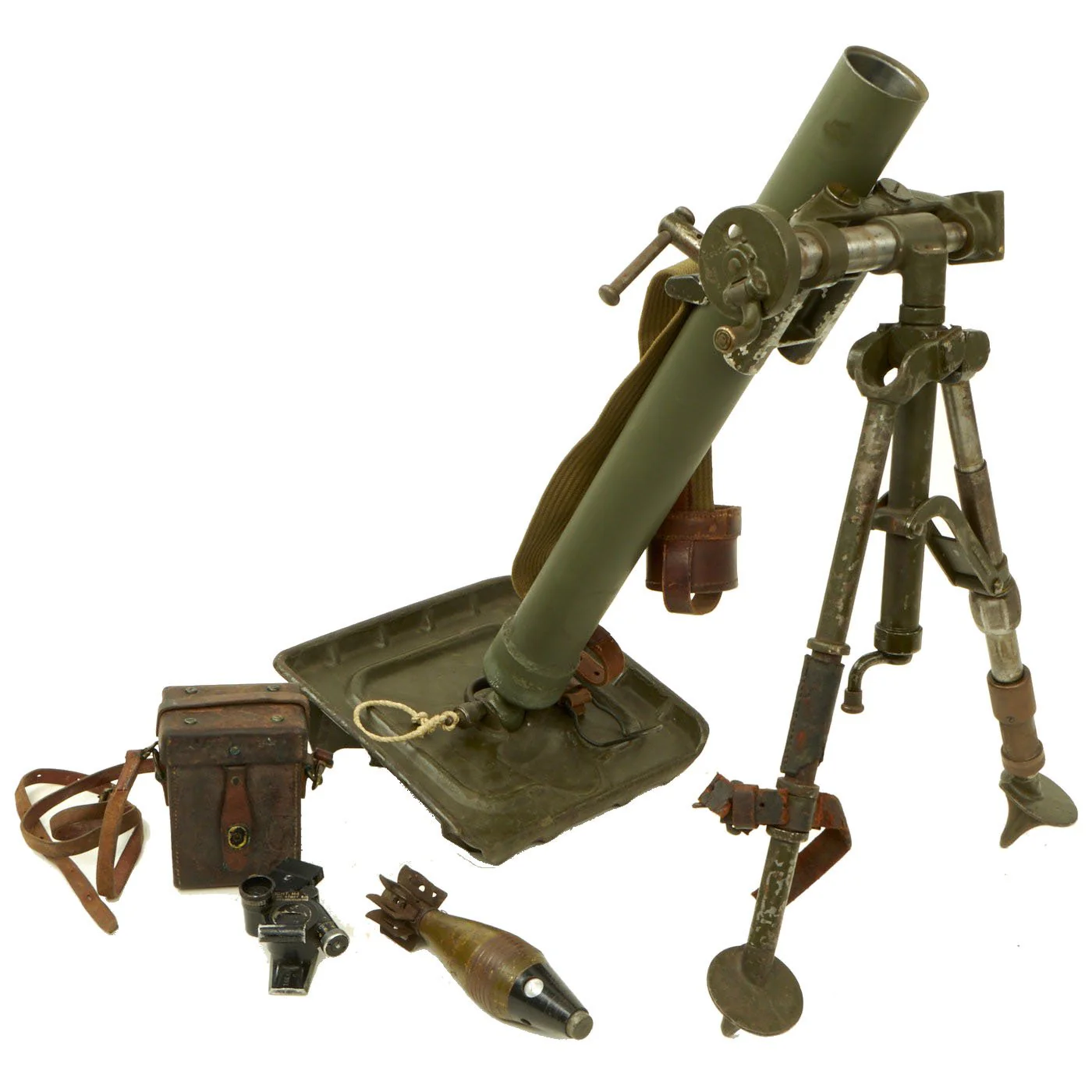
The M2 was first adopted by the US in 1938 and it's design goes all the way back to 1913. The US design dates back to World War II and is a copy of the French Brandt mortar. Mechanically it’s about as simple and straightforward as a mortar system can get. There’s nothing fancy about it. No advanced recoil dampening. No onboard electronics. It’s basically a steel tube attached to a bipod and a baseplate.
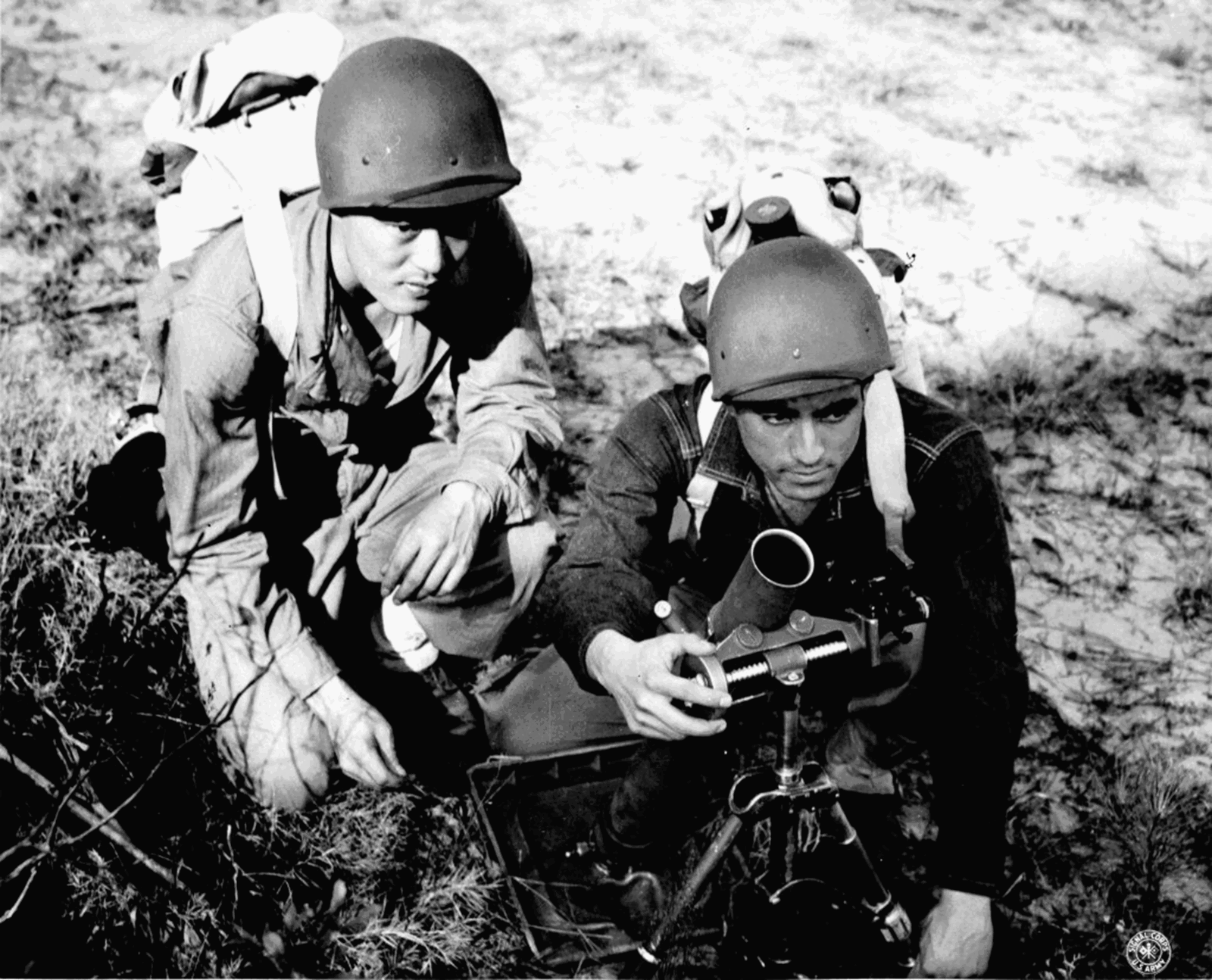
And yet the thing still works exceptionally well. There's a reason they're still making them and using them all over the world. That’s one of the reasons I respect the system as much as I do. The M2 represents a time when military equipment was designed around simplicity, reliability, and ease of use under terrible conditions. Dirt, mud, rain, heat, poor maintenance, inexperienced crews, the gun didn’t care. It just kept working.
That simplicity is also one of the reasons the M2 is such a good training platform. The gun is mechanically honest. It doesn’t hide mistakes from you. If your bubbles are off, if your lay is sloppy, you’ll see it down range. If your adjustments are inconsistent, the gun will absolutely let you know. Modern systems sometimes mask poor gunnery because the technology compensates for the operator. The M2 doesn’t do that.
The gunner's skill matters. That’s one of the reasons I think learning on an M2 builds good habits when it’s taught correctly, and that's the reason it's ODD go to gun for training.
Now mechanically speaking, the M2 is also surprisingly durable for what it is. People tend to assume older systems are fragile, but the reality is most of these guns were massively overbuilt even by modern standards. The tubes are thick, the bipods are rugged, and the whole system was designed around military abuse taking lessons learned in the trenches of WW1. They can even withstand firing modern shells that didn't exist when it was first adopted.
That doesn’t mean they’re indestructible, though.
One thing people forget is that mortars are just like any weapon. Every time you fire the gun you’re generating heat, pressure, vibration, and wear inside the tube. Over time that erosion adds up. It’s slow on a 60mm compared to larger systems, but it’s still there. Even small changes inside the bore can eventually affect consistency and ballistic behavior. With low pressure training rounds like the M69 TP, wear is relatively minor. Once you start increasing velocities or running more aggressive charges, things change. The gun starts telling you a story if you know what to look for.
That’s another thing I like about the M2 platform. It’s simple enough that you can actually observe and understand what the system is doing mechanically and ballistically. You can watch how different shells behave. You can see how environmental conditions affect flight. You can track dispersion patterns and recoil behavior without needing a lab full of instrumentation. The gun teaches you if you pay attention to it.
Now where people sometimes get themselves into trouble with the M2 is assuming simple means forgiving. It’s not. Mortars in general are extremely process-driven weapons systems and the M2 is no exception. Good results come from disciplined procedures:
- proper lay,
- consistent sight picture,
- verifying bubbles,
- re-laying after recoil,
- understanding chart data,
- and making intelligent adjustments.
Most “inaccurate mortar” problems are actually gunnery problems. The M2 will absolutely expose that. That’s also why I still think the system has value today beyond just historical collecting. The M2 is probably one of the best platforms available for learning the fundamentals of mortar gunnery because it forces the operator to understand what’s happening instead of relying entirely on automation.
Even with systems like I3-FIRES, those fundamentals still matter. I’m a huge believer in digital fire control systems, obviously. We spent several years developing I3-FIRES specifically because modern tools can dramatically improve speed and efficiency on the gun line. I’ve also said from day one that software should support good gunnery, not replace it.
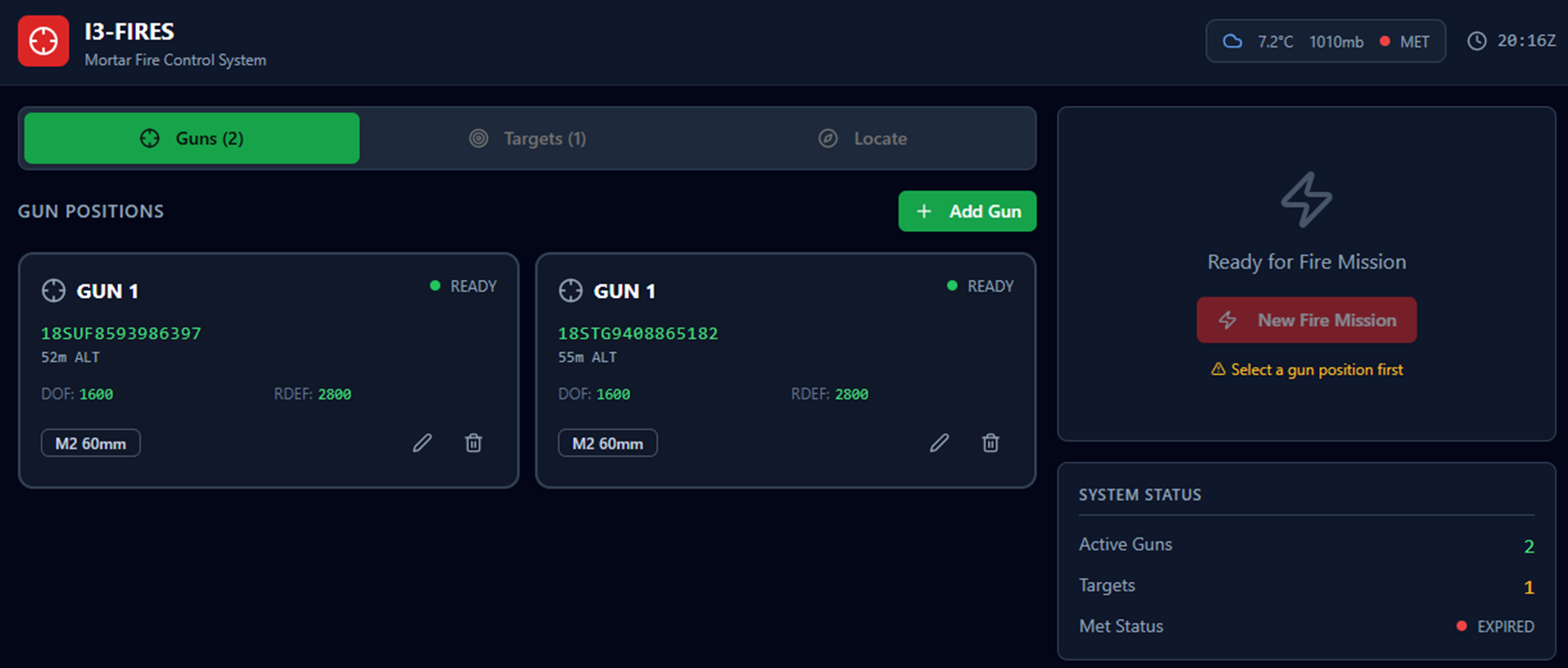
Computers are great at solving math problems.
They’re terrible at fixing bad habits. If the gun isn’t laid correctly, the computer can’t save you. If your observer gives bad corrections, the software can’t magically create good data. The fundamentals still matter.
That’s probably the biggest lesson the M2 teaches, good mortar gunnery isn’t about the gun itself. It’s about the crew behind it.