
So, You Want to Buy a Mortar?
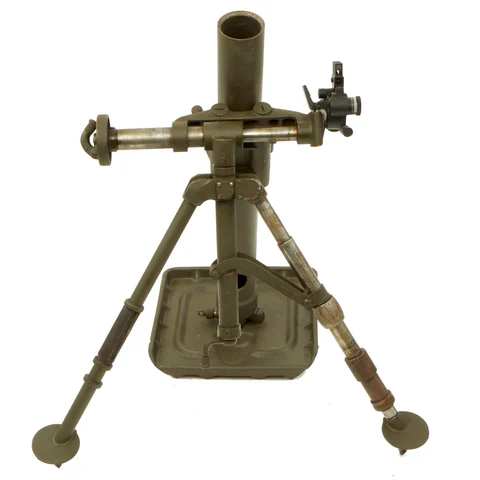
Maybe you saw the ODD firing at an event, saw some of our videos of live fire, or you took one of our gunnery classes, and thought this is so cool and I need one of these, but I don't know how or if I even can.
It usually starts with a call to the shop or someone sends me an email asking how hard it is to legally own a mortar.
The question comes in carefully worded like they’re testing the waters first. Is that even legal? “Can civilians actually own those?” “What kind of license do you need?” Honestly, most people are surprised when I tell them the process is nowhere near as mysterious as the internet makes it sound and yes, it's perfectly legal to own.
The biggest problem is that most people hear the word “mortar” and immediately jump straight to military combat footage and Hollywood nonsense. They assume there’s absolutely no way a civilian could legally own one in the United States. But the reality is a lot less dramatic.
Under federal law, mortars fall under the Destructive Device category of the National Firearms Act. That sounds intimidating the first time you hear it, but from a practical and legal standpoint the transfer process really isn’t different from other NFA items like suppressors or machine guns.
There’s paperwork involved, a Form 4 or a Form 1. There’s a background check, Just like any other NFA weapon. There’s a tax stamp, Destructive Devices still require a $200 tax stamp, and there’s waiting for approval.
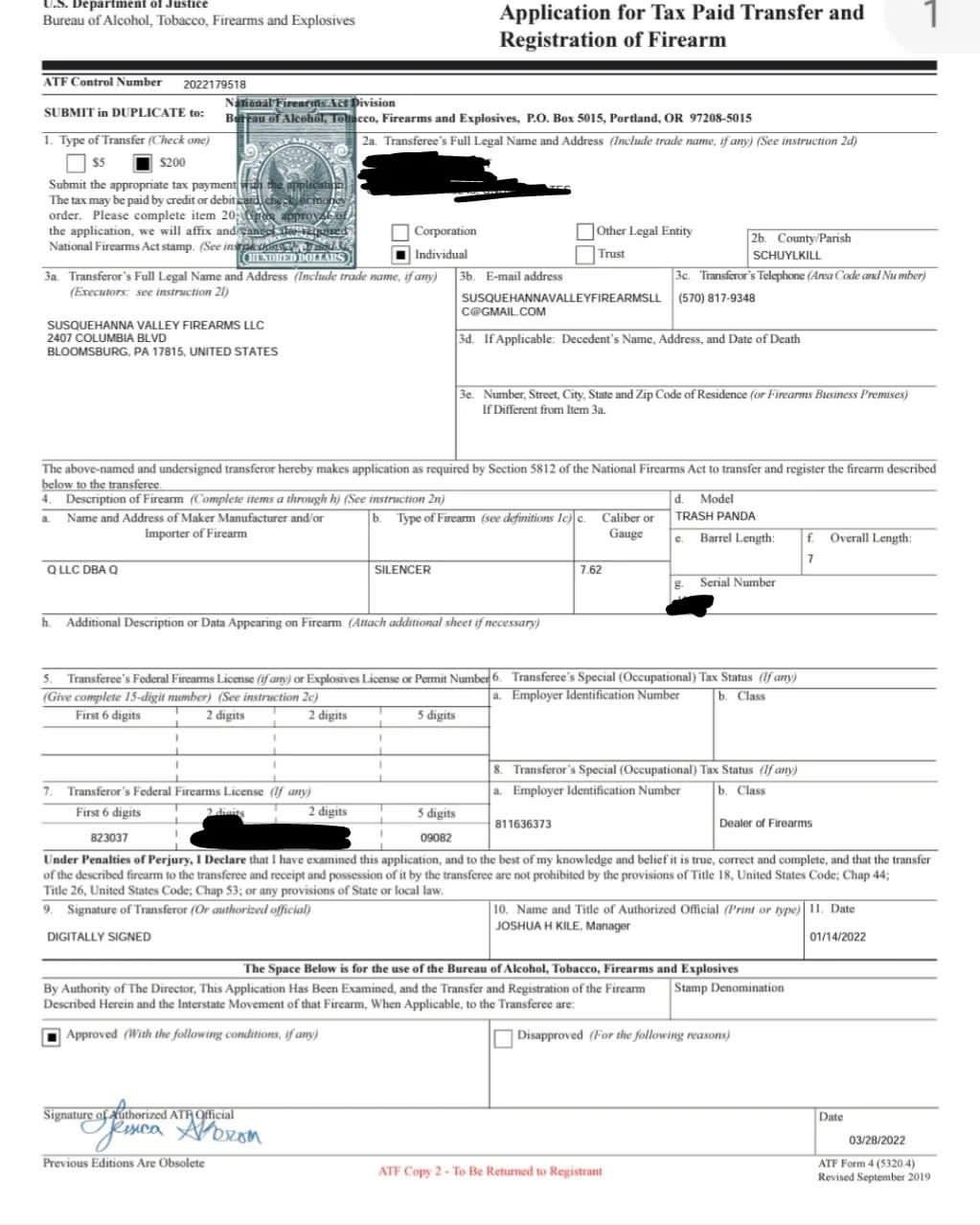
If you’ve bought a suppressor before, the process will feel pretty familiar. The main difference is people tend to panic more because the item in question happens to be a mortar instead of a silencer for a rifle.
Now the first thing people usually discover is that mortar systems aren’t exactly hanging on the wall at the local gun store. You're going to have to do some digging. You’re generally dealing with transferable registered tubes already in civilian circulation, older DEWAT guns that were properly registered, or modern commercially manufactured tubes built by licensed manufacturers, and yes there are companies still making them for sale to the public.
The M2 60mm and its variants are probably the most common mortar system people encounter because a decent number of them made it into civilian hands over the years and the shells are available. Some are original military tubes, some are rewelds, and some are modern reproductions or newly manufactured systems. Once you find one, the actual transfer process depends on whether it’s transferring in-state, out-of-state, to an individual, or through a trust. Will it be on a Form 4 or Form 1, but generally speaking, you’re looking at:
Fingerprints, passport photos, ATF forms, tax payment, and then waiting for approval. That’s really the process in a nutshell.
Now, one thing that catches people off guard is that the mortar tube itself isn't usually the regulated item, the base cap is, and it's not a destructive device until the tube and base cap are put together. People hear “destructive device” and immediately assume everything connected to the system must automatically be heavily restricted.
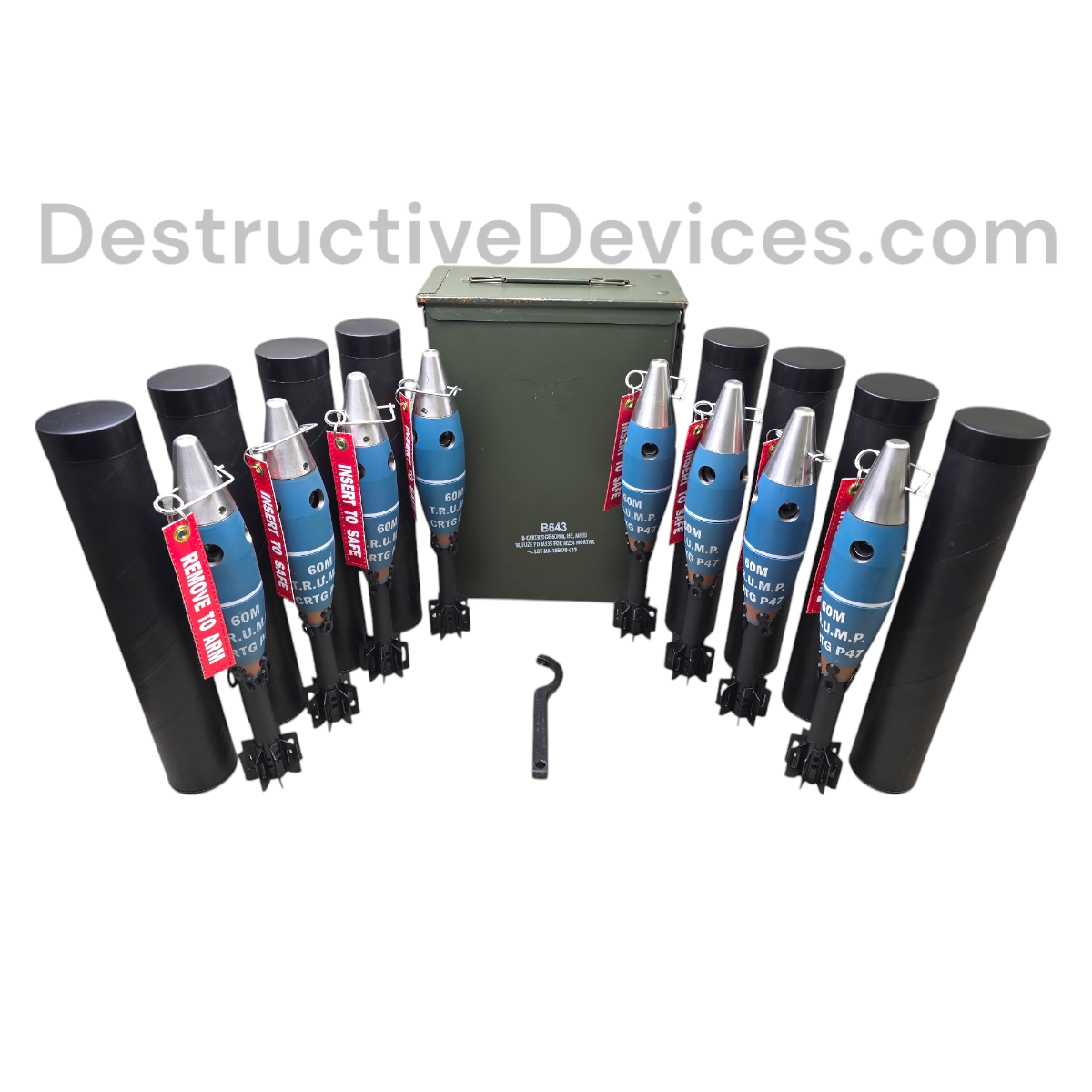
If you decide you can't live without one, now you have to feed the beast. Inert training rounds are where most civilian mortar owners spend their time because they’re reusable, practical, and avoid stepping into the world of explosive storage and licensing requirements. That’s why you’ll see a lot of civilian shooters running things like M69 training rounds or other inert projectiles, and honestly, that’s probably where most people should start anyway.
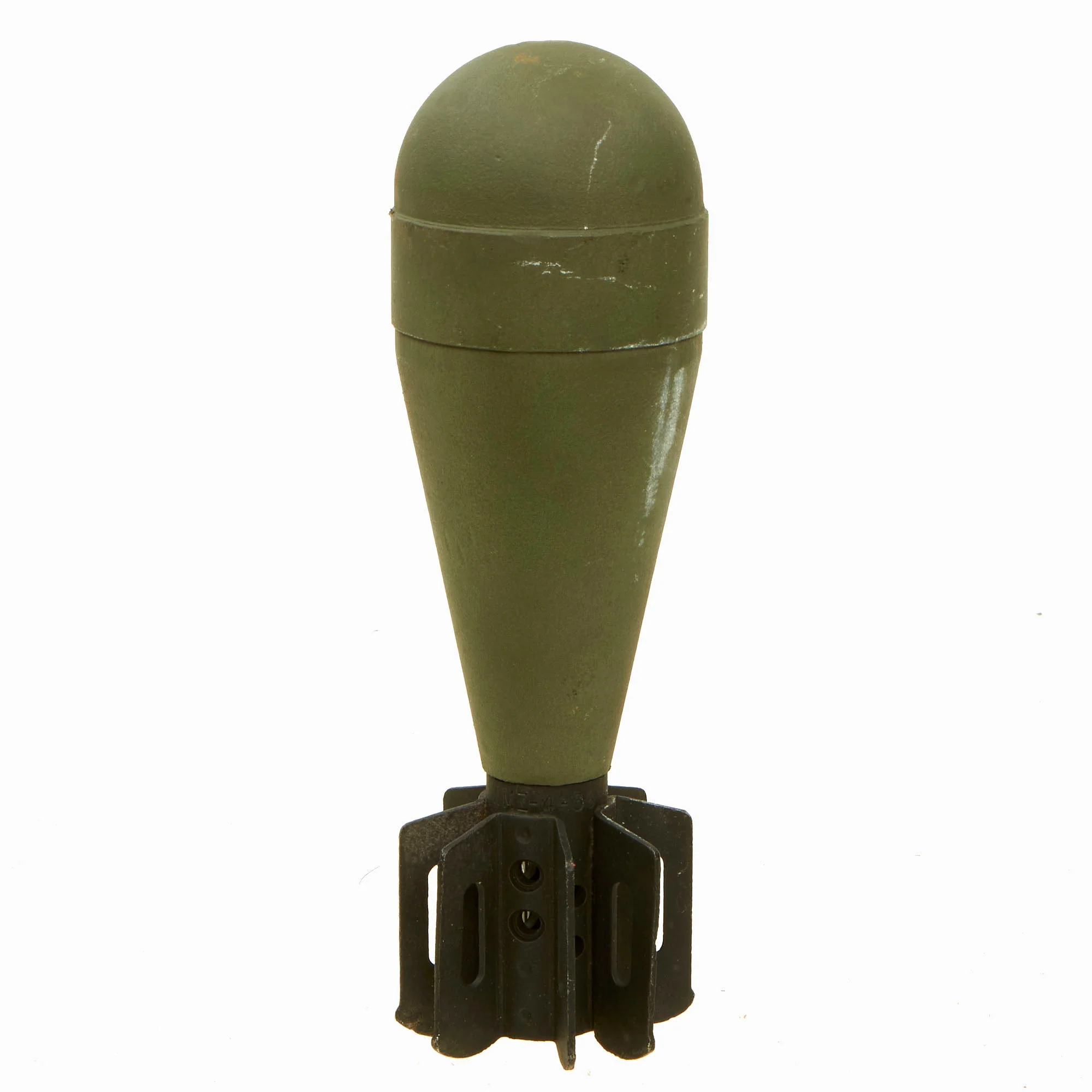
Inert rounds like the mortar aren't a run to your local gun shop for ammo item, you're going to have to hunt for them and as a rule the larger the gun the harder to find and more expensive those shells will be.
Another thing people don’t think about until they’re already halfway into the process is state law. Federal approval does not automatically mean your state likes the idea. Some states are perfectly fine with Destructive Devices. Some are not. Some allow ownership but restrict use. Some make the process a nightmare. That’s one of the reasons I always tell people, before you spend money on a mortar, spend time understanding your local laws.
The other thing people underestimate is logistics. Owning a mortar sounds cool until you realize you now own a crew-served weapon system that weighs a lot more than people expect, requires a safe place to operate, and tends to attract attention the second it comes out anywhere. Transport matters. Storage matters. Range access matters. A lot of public ranges hear the word “mortar” and immediately picture artillery shells landing in the next county over. Even if everything is completely legal and you’re shooting inert training rounds, finding a range willing to host indirect fire systems can sometimes be harder than the ATF paperwork itself, and then there’s the cost. The mortar itself is only the beginning. Once people get into the hobby they start realizing they also need:
- sights,
- rounds,
- gunnery equipment,
- maintenance tools,
- and eventually spare parts.
It adds up faster than most people expect. That’s why I usually tell people not to rush into buying the first mortar they see online because it sounds interesting. Slow down. Research the platform. Understand what’s included. See if ammunition is even available. Learn the laws. Figure out where you’re actually going to shoot it. Because at the end of the day, legally owning a mortar in the United States is absolutely possible for the right person in the right state following the correct process. The hard part usually isn’t the legality. It’s understanding everything that comes after the paperwork clears.