
UXO Awareness for the First Responder
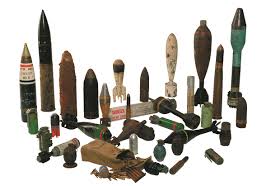
Most firefighters, EMS personnel, and law enforcement officers will never be EOD technicians.
But there’s a very good chance they’ll encounter explosive hazards long before EOD gets there.
Every year across the United States, first responders are dispatched to calls involving military ordnance, improvised explosive devices, commercial explosives, homemade explosives, military souvenirs, ammunition stockpiles, and suspicious devices. More and more of these calls are occurring in private residences, storage units, vehicles, and during medical or welfare checks where responders have little warning before walking into the problem.
The reality is simple:
First responders are often the first people on scene when something explosive is discovered.
This course was built specifically for them.
The ODD UXO & Explosive Hazard Awareness Course is not an EOD school and it is not designed to turn firefighters or police officers into bomb technicians. The purpose of this training is much more practical.
Recognize the hazard, avoid making the situation worse, protect your crew, protect the public, and understand what to do until the proper resources arrive.
This instructor-led course is designed for Fire & EMS, law enforcement, emergency management personnel, and other public safety professionals who may encounter explosive hazards during routine operations.
Students will learn:
- how to recognize common military ordnance and explosive hazards,
- the differences between military and civilian explosive threats,
- basic UXO recognition principles,
- immediate scene safety considerations,
- evacuation and isolation concepts,
- common mistakes first responders make around explosive hazards,
- and how to coordinate effectively with EOD and supporting agencies.
The course also covers the reality that not every explosive-related call looks obvious. Many incidents begin as completely normal calls for service:
a house fire,
a medical call,
a vehicle stop,
a suspicious package,
a deceased person investigation,
or a welfare check.
Sometimes responders don’t realize they’re standing next to an explosive hazard until they’re already inside the scene.
That’s why awareness matters.
The training is delivered by instructors with military indirect fire, explosives familiarity, and first responder backgrounds who understand both the technical side of explosive hazards and the operational realities first responders face on scene. The course focuses on practical decision-making and scene management, not scare tactics or Hollywood-style bomb disposal scenarios.
This is real-world awareness training designed for the people most likely to encounter these hazards first.
Class Information:
- Course Length: Approximately 2 hours
- Format: Classroom and hands on
- Maximum Class Size: 20 students
- Mobile Training: We bring the course to your department or agency
For scheduling information or department bookings, contact the Ordnance Development Division.